
Sprouting for Better Digestion, Better Nutrition, and Better Cardiometabolic Health
Sprouting your legumes at home might sound a little crunchy at first, but it’s actually a simple kitchen habit with big benefits. When seeds, nuts, and legumes begin to sprout, they become more digestible and easier for the body to use. That matters for anyone working to support blood sugar balance, gut health, inflammation, and overall cardiometabolic wellness.
Why sprout?
When a sprout breaks through the shell of a seed or legume, that food shifts into a more active state. Sprouting helps reduce compounds like phytic acid, which can interfere with mineral absorption, and may also make legumes easier to digest. For many people, that means less bloating and discomfort, plus a more nourishing way to enjoy fiber-rich plant foods.
And when it comes to cardiometabolic health, those fiber-rich foods matter. Legumes can help support healthy blood sugar, improve satiety, and promote a healthier response to meals overall. Small habits like incorporating more prepared-from-scratch, nutrient-dense foods into your routine can become part of a much bigger foundation for long-term metabolic health.
A note on safety
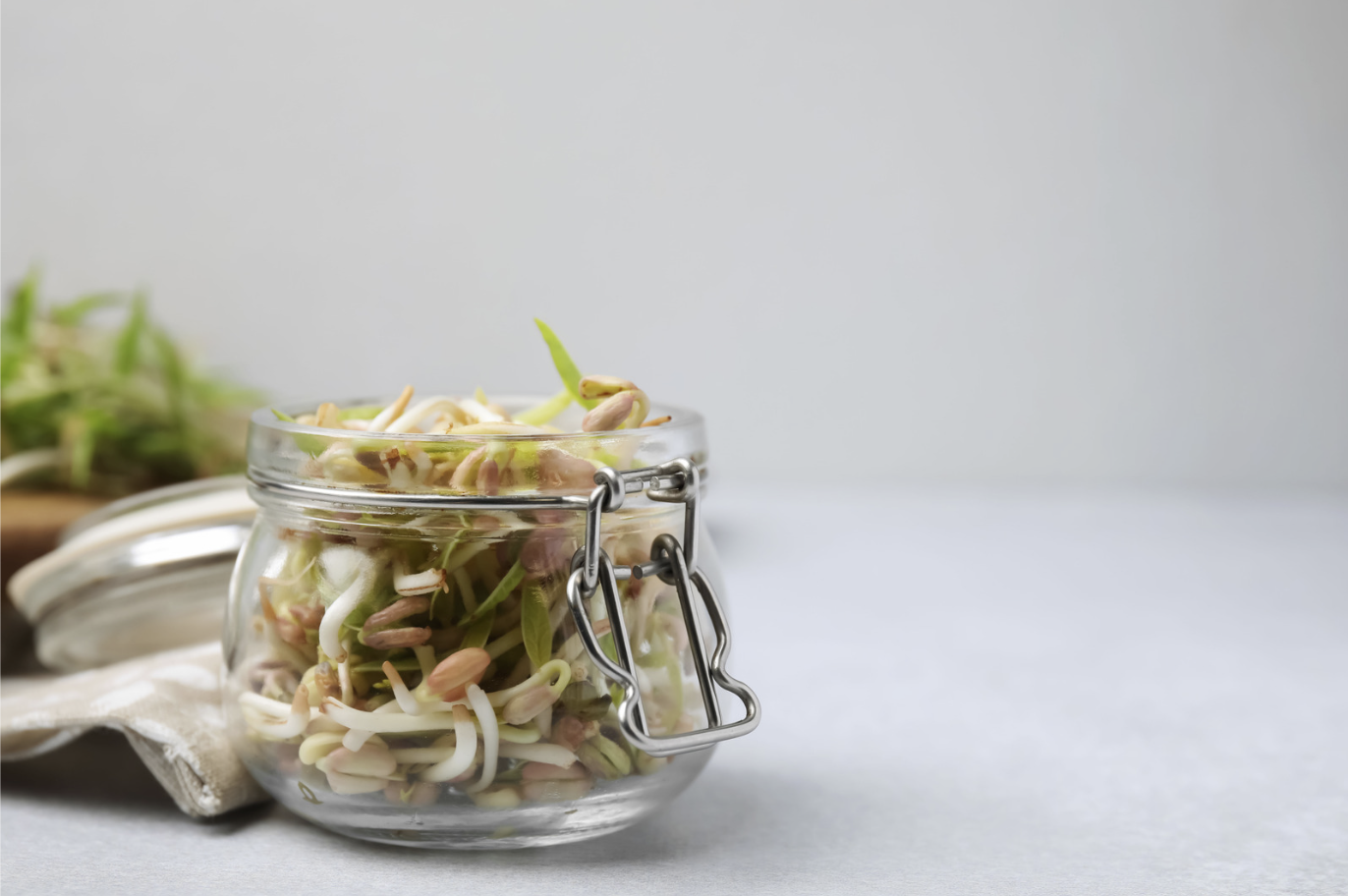
Yes, sprouts sometimes get a bad reputation. But sprouting at home gives you more control over cleanliness, rinsing, airflow, and storage. Start with clean jars, rinse consistently, and use good judgment throughout the process.
How to do it
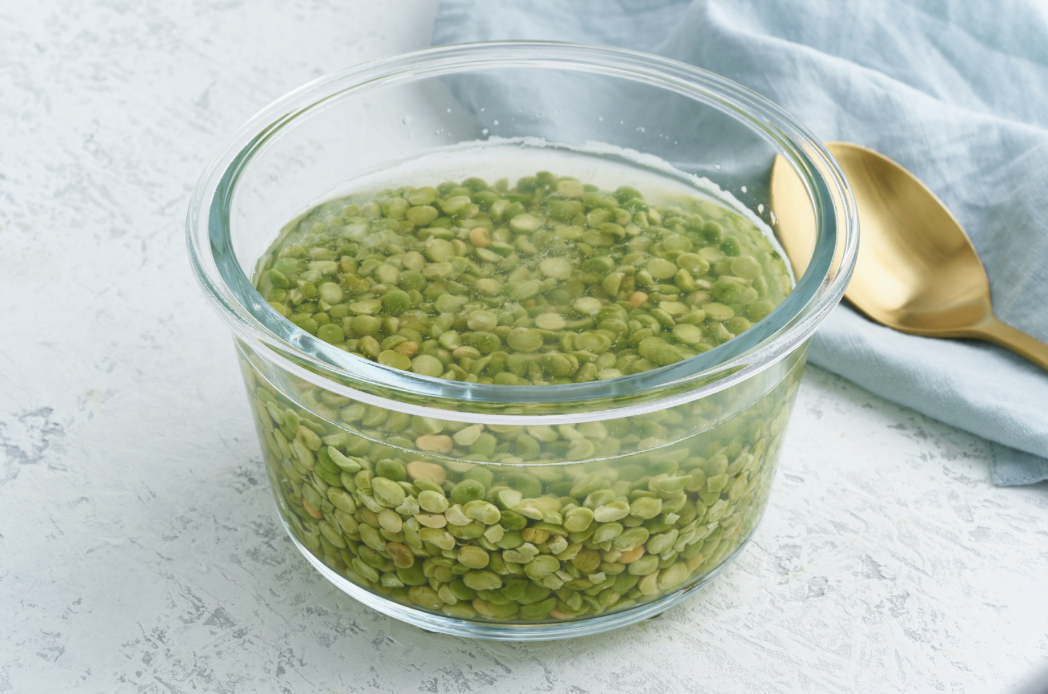
Soak your legumes overnight for about 12 hours.
The next morning, drain and rinse them well.
Place the jar upside down at an angle in a bowl so excess water can drain.
Continue rinsing every 12 hours until the sprouts begin to emerge.
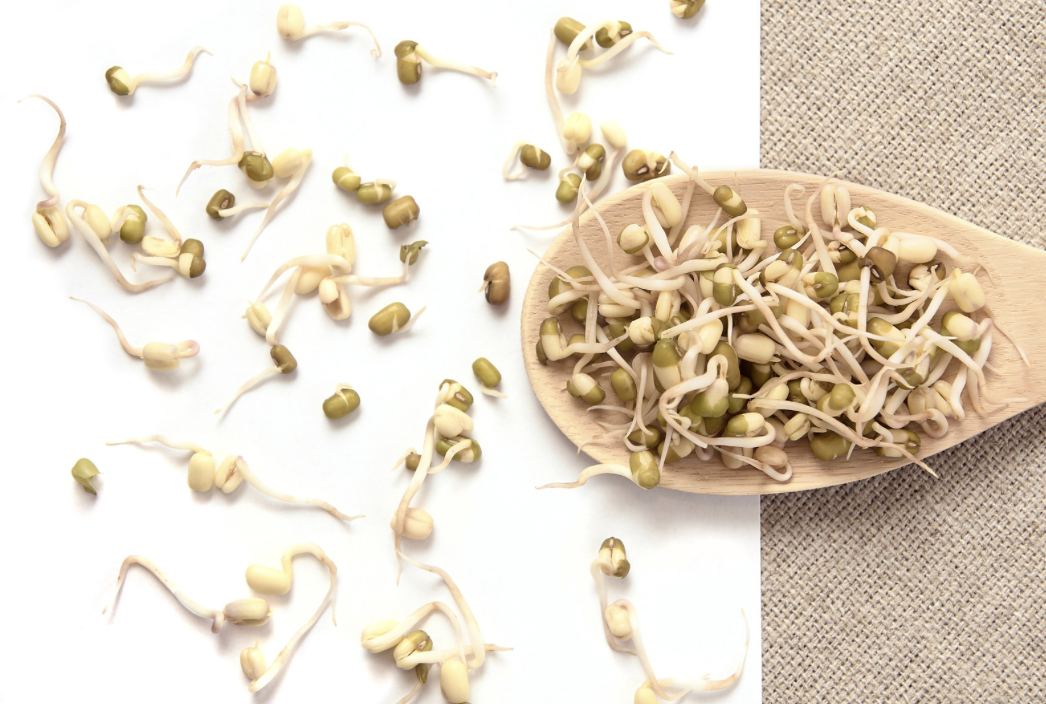
You can stop sprouting as soon as they break through the shell, or let them go a little longer depending on your taste preference.
A few tips
Avoid sprouting chia and flax, since they become too gelatinous.
Most sprouted legumes, nuts, and seeds can be eaten raw or cooked, but kidney beans should always be cooked thoroughly.
Lentil sprouts are great in salads, while other sprouts work beautifully in soups, grain bowls, and warm dishes.
Looking at the bigger picture
Sprouting is one small example of how thoughtful food preparation can better support your body. When we look at cardiometabolic health, we are not just talking about one lab value or one meal. We are looking at the full picture: blood sugar regulation, inflammation, digestion, energy, body composition, and sustainable daily habits that build resilience over time.
If you are ready to take a deeper, more personalized approach to your health, our Cardiometabolic Pathway is designed to help you understand what is happening beneath the surface and create a practical plan that supports lasting change.