
Cholesterol and Animal Protein: Finding the Right Balance for You
With all the social media and news noise around cholesterol, confusion is rampant.
This is where we at Wellness Insights come in: to expertly guide you with evidenced-based insights tailored to your unique needs.
Cholesterol + Its Role in Health
Cholesterol is a type of fat. And its molecular structure actually makes it a hormone.
Cholesterol is, in fact, the precursor to all of your sex hormones (think estrogen, progesterone, and testosterone) as well as cortisol. Your body makes hormones using cholesterol. In addition, cholesterol is also the backbone for vitamin D production in your body.
Another important role cholesterol plays is in the structure and function of your cellular membranes. As a fat, cholesterol provides for better membrane fluidity and less rigidity. Cellular membranes are essential in helping regulate what goes in and out of cells as well as how cells interact with each other and your internal environment.
One fascinating way of understanding the health of your cell membranes is to measure phase angle, which is correlated with longevity. We can measure this with an in-office InBody scan.
While cholesterol plays an important role in health, elevated cholesterol also increases cardiovascular risk.
That risk is unique for each person. We order and analyze detailed lab testing - much more than a standard cholesterol panel - along with your personal medical history, family history, nutrition and lifestyle factors to understand your long-term risk, identify areas of concern and know if additional testing is warranted.
The Intersection of Cholesterol and Animal Protein
Whenever we eat anything, we’re deciding what our body gets to fuel with - as building blocks for health or as obstructions to it.
You already know this: if you feed your body unhealthy fats, such as saturated fat, it’s going to increase your “bad” cholesterol like LDL and triglycerides; whereas if you feed your body healthy fats, like omega-3 fatty acids and unsaturated fats from plants like olive oil, it’s going to increase your HDL “good” cholesterol.
Why this matters is because animal products are a primary source of protein for most people, yet animal products can also contain higher amounts of unhealthy fat, such as saturated fat. So how do you navigate consuming sufficient protein while not negatively impacting cholesterol?
Foundations first: the amount of protein you need varies, but a good general place to start with is aiming for 30-40g with each meal, which is about the size of your palm for animal proteins.
The FDA recently increased its recommendation to 0.54g-0.73g per pound of body weight, but for most people working on health optimization, a better goal is 0.7-1.2g per pound of body weight. We always individualize recommendations based on your goals with maintaining and improving muscle mass as it relates to overall health.
Not all animal protein is the same in terms of fat content. You already know that lean protein contains less fat. Let’s get into the details more.
Animal Protein
Red meat tends to have higher amounts of saturated fat in general. This includes beef and pork products, along with other game meat. The fat in red meat tends to be marbled throughout the meat, making it harder to remove. Not only that, red meat tends to be higher in arachidonic acid, which can drive inflammation and negatively impact cardiovascular health.
If you’re choosing red meat, look for lean cuts of grass-fed and finished products for the best quality, like filet or sirloin.
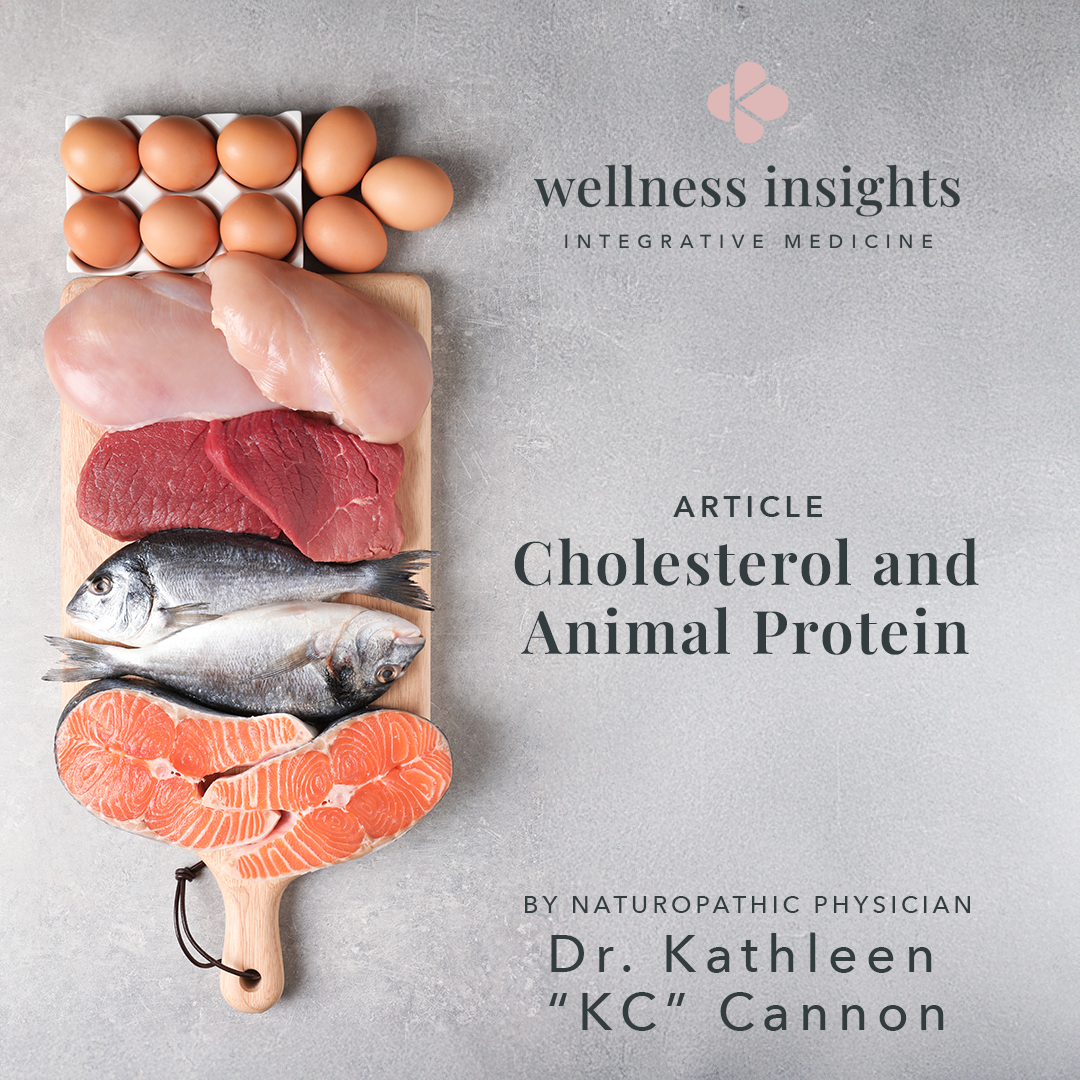
Leaner and less inflammatory choices for animal sources of protein include turkey, chicken, fish/seafood and eggs (limit to 2-3/day in general).
For poultry and eggs, look for organic pasture-raised (best) or free-range (second best). If you can buy this type of eggs from a neighbor or local market, even better.
With fish and seafood, look for wild-caught. Certain types of seafood provide more omega-3 fatty acids, which are healthy fats that can improve your HDL cholesterol and add preventive support.
Higher amounts of good omega-3 content are found in: anchovies, sardines, herring, mackerel, rainbow trout, salmon and crab.
The dairy category includes any products made from animal milk, like yogurt, cottage cheese, creams, cheese, butter and so on. In general, dairy provides protein along with higher amounts of unhealthy fat.
Always check nutrition labels to see the protein and fat content, along with the sugar content, as this varies widely among dairy products. You probably already have a sense of this too: ice cream is loaded with more saturated fat than plain yogurt. We generally recommend low-fat or non-fat Greek yogurt but encourage small portions of the real deal when it comes to treats like ice cream.
There’s also a variety of proteins that are available from plant sources, including beans, tofu, lentils/legumes, nuts and seeds. These provide lower amounts of protein, but include lots of fiber making them a great choice for many people.
Combine animal proteins with plant proteins: add hemp seeds to a salad with salmon, cook beans with turkey in a chili-type stew, or mix crumbled walnuts into homemade chicken salad to get the benefits of both fiber and protein.
If you are already dealing with cardiovascular disease or high cholesterol, we suggest limiting red meat to 1-2x per week and choose leaner protein options alongside high quality seafood to improve healthy omega-3 fats.
There’s so much more we can discuss on this topic. If you have questions and would like a plan tailored to your unique needs, reach out and let’s get started optimizing your health.
This blog and website do not provide medical advice. It is intended for general informational purposes only and does not address individual circumstances. It is not a substitute for professional medical advice, diagnosis or treatment and should not be relied on to make decisions about your health. Always check with your own healthcare provider before taking a new supplement and before making any significant diet, lifestyle, exercise or other changes. Never ignore professional medical advice in seeking treatment because of something you have read on this site. If you think you may have a medical emergency, immediately call your doctor or dial 911.
