
Protein Is Trending, But Fiber Is Still the Missing Piece
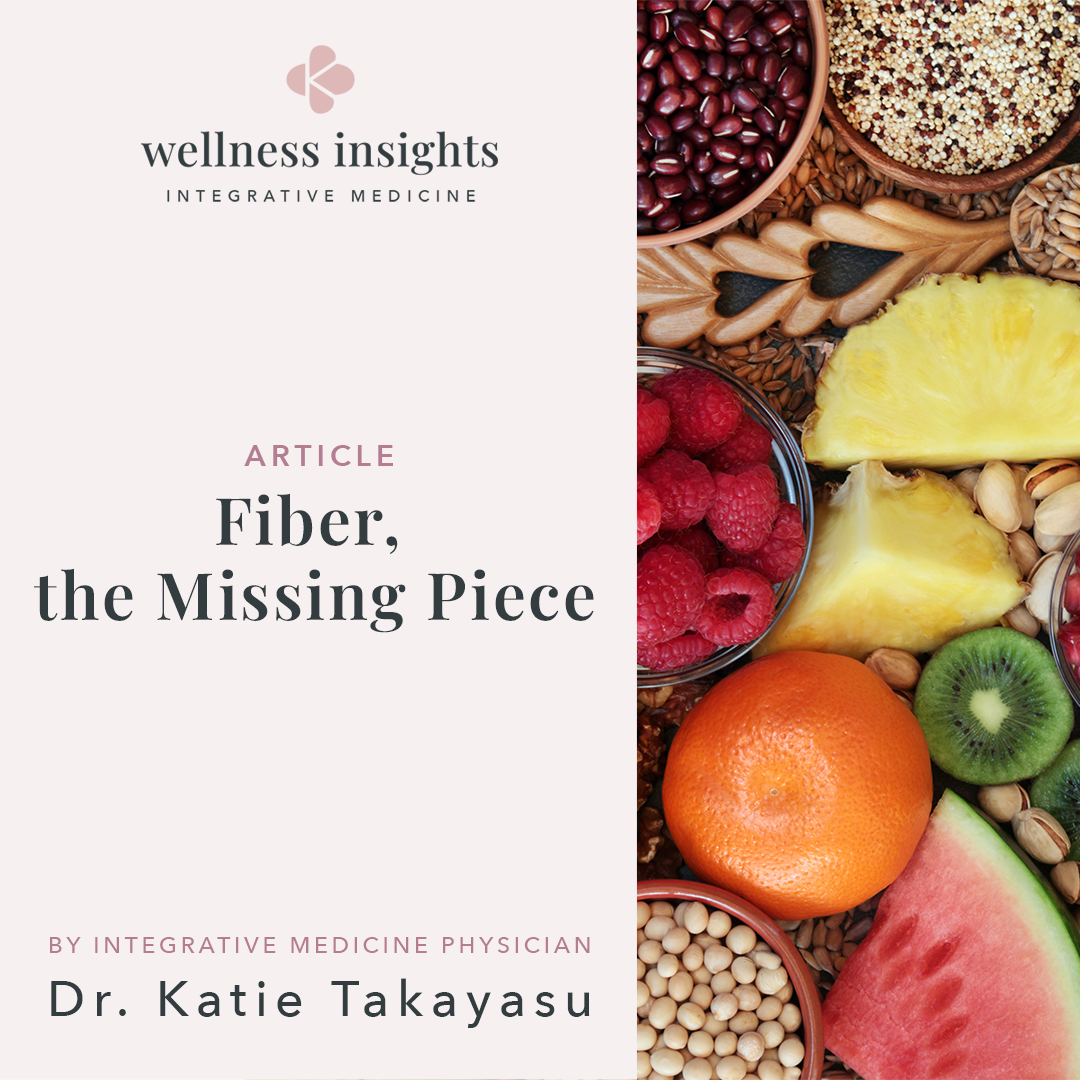
We have spent years talking about protein, and for good reason. Protein supports muscle mass, metabolism, and recovery, especially as we age. However, in the process, we have overlooked something just as, if not more, important.
Fiber.
In my practice, this is one of the most common gaps I see. Patients are intentional about protein, supplements, and even advanced testing, yet they are often missing one of the most foundational drivers of long-term health because it has been underestimated rather than misunderstood.
Why Fiber Matters More Than You Think
Fiber is often associated with digestion, but its role extends far beyond that.
It is deeply connected to:
Blood sugar regulation
Cholesterol balance
Hormone metabolism
Gut microbiome health
Inflammation and immune function
Fiber is one of the few nutritional factors consistently associated with improved cardiometabolic outcomes and longevity. Despite this, most people are not getting enough.
The recommended daily intake is around 25-40 grams per day, yet the average person consumes significantly less. This gap has meaningful implications, influencing not only digestion but also how the entire body functions.
Protein Builds, Fiber Regulates
This is where the conversation needs to evolve.
Protein provides the building blocks, while fiber helps regulate how the body functions as a whole.
Without adequate fiber, the body has a harder time stabilizing blood sugar after meals, processing and eliminating hormones, supporting beneficial gut bacteria, and creating a sense of fullness and satiety.
It is possible to consume enough protein and still experience energy fluctuations, cravings, digestive discomfort, or stalled progress. In many cases, fiber is the missing piece.
The Gut Connection
Fiber plays a central role in the health of the gut microbiome.
Unlike protein, fiber is not fully digested. It travels to the colon, where it serves as fuel and fertilizer for beneficial bacteria. These bacteria produce compounds like short chain fatty acids that support a strong gut lining, reduce inflammation, improve immune signaling, and enhance metabolic function. (And, interestingly, those compounds are cleaved into action by exercise!)
When fiber intake is low, microbial diversity declines. As the microbiome becomes less balanced, it can affect digestion, mood, and metabolic health. This is why nutrition and gut health are inseparable.
Fiber and Cardiometabolic Health
At Wellness Insights Integrative Medicine, we focus heavily on cardiometabolic health because it sits at the center of how we feel and function each day. Learn more about our Cardiometabolic Pathway here.
Fiber directly supports blood sugar stability, insulin sensitivity, cholesterol regulation, and fat loss. These are foundational processes that influence both short-term energy and long-term health outcomes.
If the goal is to reduce risk and improve daily performance, fiber is one of the most impactful and often overlooked levers.
How to Start Incorporating More Fiber
Increasing fiber intake does not require a complete overhaul. It can begin with small, consistent changes.
Add chia seeds or flax seeds to breakfast, salad, or soup
Build meals around vegetables first - we encourage at least ½ your plate filled with vegetables at every meal
Choose whole grains like quinoa or farro instead of refined options like couscous
Incorporate beans or lentils throughout the week
Focus on variety to support the microbiome - we recommend aiming for 30 different plants in a week!
The goal is not only to increase fiber, but also to increase the diversity of fiber sources. Gradual changes allow the body to adjust more comfortably. Don’t try to increase your fiber overnight, or you might notice constipation or diarrhea. We recommend a slow shift of increasing fiber over the course of several days to a month.
The Takeaway
Fiber is not new, and it is not a trend. It is a foundational component of how the body regulates, adapts, and functions.
Protein remains important, but without fiber, an essential part of the system is missing. When patients are doing many things well but still not seeing the results they expect, this is often one of the first areas I evaluate.
A More Personalized Approach
At Wellness Insights Integrative Medicine, we take a structured and personalized approach to health because no single nutrient exists in isolation.
Through our Pathways programs, we integrate nutrition, data, and clinical insight to help you understand how your body is functioning and what it truly needs. If you’re unsure of your fiber intake, let us help you track it and come up with a personalized solution to optimize it.
If you are ready to move beyond trends and build a more complete foundation for your health, we invite you to explore Pathways and take the next step toward a more personalized strategy.
