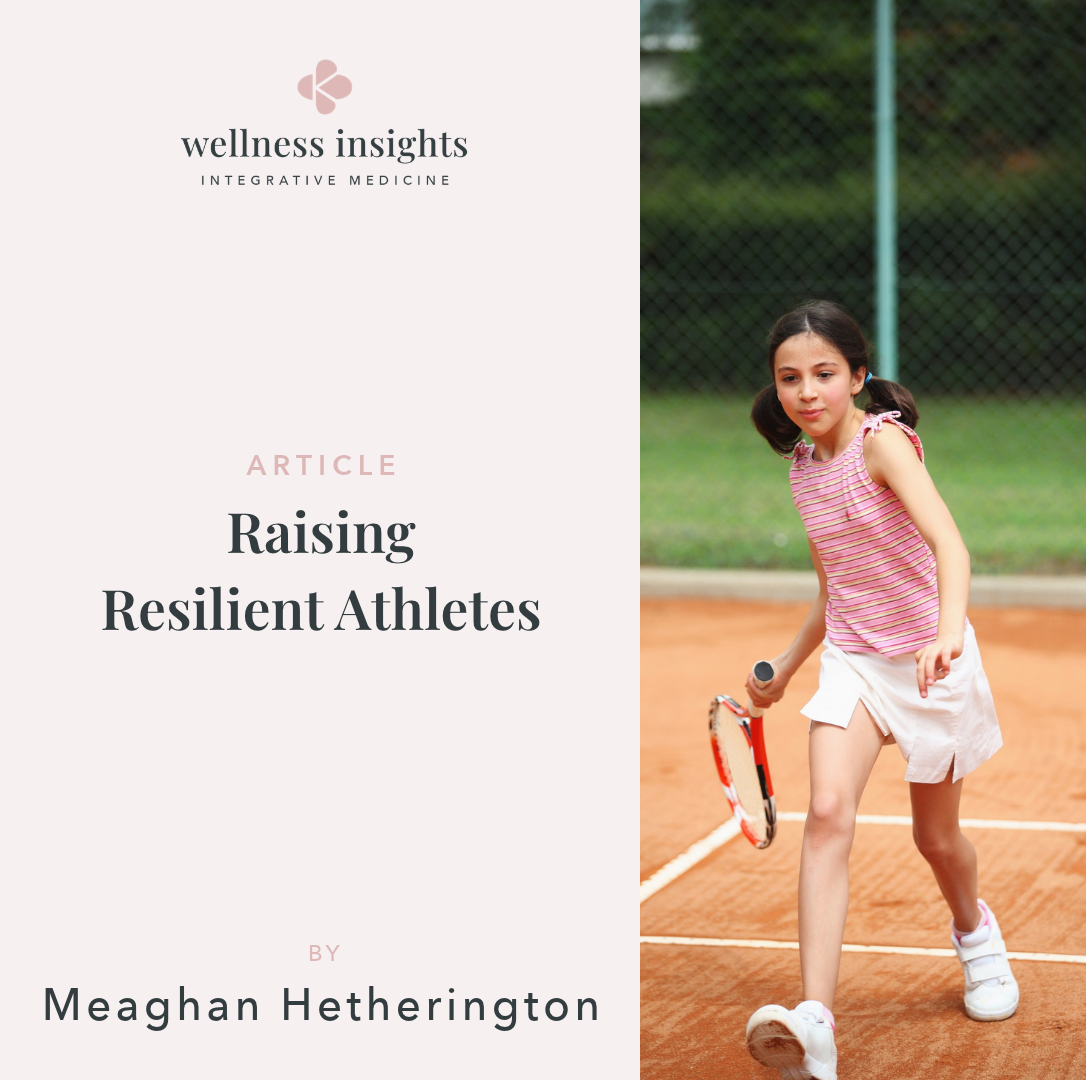
The transition from summer to fall can be abrupt for families with school-aged children (and simultaneously long overdue, perhaps!). Even when the temperature still feels like the height of summer, the demands on families can feel like anything but an easy day at the beach. And for many families, children’s sports are among the most time-consuming commitments on the fall calendar.
No matter if the shift in season is welcome or bittersweet, the start of fall sports can bring a range of emotions both for the athlete and parents alike. Excitement about returning to a sport, performance anxiety, stress over joining a new team and apprehension about getting to know a new coach are all understandable and common feelings.
The innumerable physical and mental benefits of children’s participation in sports are well established. Research has long shown that sports participation builds self-esteem, teamwork, and resilience; regulates mood; and contributes to lower rates of anxiety and depression for athletes both now and in the future. One of our favorite statistics at Wellness Insights is that more than 90% of women in the C-suite played sports during their formative years, with more than half competing at the collegiate level.
Yet more recently, the professionalization and heightened demands of youth sports have contributed to rising rates of stress and anxiety among young athletes, creating a more complex physical and psychological experience.
Grounding yourself in a few empowering strategies can help ease the transition into the fall sports season.
Model What You Want to See
Watch out for your own perfectionism and normalize making mistakes
Set and reinforce healthy boundaries for yourself, your family and your child
Tend to your own interests and make time for hobbies, friendships, and fun
Cultivate sportsmanship in your child by actively demonstrating respect for coaches, teammates, referees and opponents
Build a Solid Physical Foundation
Prioritize proper nutrition, hydration and adequate sleep to support overall well-being and mental health
Sleep recommendations endorsed by the American Academy of Pediatrics are as follows:
6-12 year olds need 9–12 hours
13-18 year olds need 8–10 hours of sleep
Allow for rest and recovery days to prevent overuse injuries and psychological burnout
Let them Lead
Encourage self-advocacy rather than stepping in on their behalf whenever possible
Foster open dialogue about the sport: What do they love about it? What are their goals for the season? Are they having fun?
Acknowledge and validate their emotions rather than arguing with them or immediately trying to fix the situation
Progress over Perfection
Praise process, effort, and attitude over outcomes, emphasizing the aspects of performance they can control
Highlight skill development and growth. Celebrate small wins, persistence and improvement
Help them view mistakes as opportunities to learn rather than as failures
Instead of focusing on what went wrong, ask: What did you learn? What might you do differently next time? What are you proud of?
Aim for Balance
Foster a multi-dimensional sense of self and identity by balancing sports with other forms of play, hobbies, interests, and social time with family and friends
Delay specialization for as long as possible. Physically and mentally, children are best served by playing multiple sports for as long as possible
Keep attitudes light and low-pressure at home to help offset what may feel like an overly competitive environment outside the home.
Make time for unstructured play and activities that are not performance driven
Manage Your Feedback
Enjoy being a spectator and leave the coaching to the coaches
Allow time for regulation and decompression after a game. Offer support and connection while refraining from feedback about their performance
Ask if they would like to hear your perspective before sharing constructive feedback
When they are open to feedback, focus on encouragement and questions rather than criticism or instruction
Remember that your role is to provide support, perspective, and unconditional encouragement—not to evaluate their performance
Remember the Why
Maintain your perspective – what is motivating your child to play the sport and what are your reasons for supporting their participation?
Motivation rooted in enjoyment, personal growth, connection and personal meaning tends to outlast motivation driven by external goals such as rankings and social approval.
Check in regularly to make sure your child is still finding joy and purpose in their sport.
Watch for signs of burnout such as irritability, loss of interest, fatigue, decreased motivation or physical complaints
If the sport is consistently creating more stress than joy, create space for an honest conversation about what your child needs—even if that means taking a break or changing course
Childhood sports participation can support the development of leadership skills, enhanced cognitive and executive functioning, reduction in life-long chronic disease and improved long-term mental health, among many other benefits for the mind and body. Yet competitive sports can be consuming for children and families and maintaining a sense of perspective and balance amid the pressures of performance, comparison and competition can be challenging. For children to thrive, and for the well-being and peace of mind of you and your family, both perspective and balance are essential.
Above all, your unconditional support of your child is a unique and powerful gift in a world where they are frequently exposed to comparison and competition, both in person and online. The goal is not simply to raise successful athletes, of course, but healthy, confident and well-rounded people.
This blog and website do not provide medical advice. It is intended for general informational purposes only and does not address individual circumstances. It is not a substitute for professional medical advice, diagnosis or treatment and should not be relied on to make decisions about your health. Always check with your own healthcare provider before taking a new supplement and before making any significant diet, lifestyle, exercise or other changes. Never ignore professional medical advice in seeking treatment because of something you have read on this site. If you think you may have a medical emergency, immediately call your doctor or dial 911.