When Food Is Speaking for Something Else: Understanding Emotional Eating
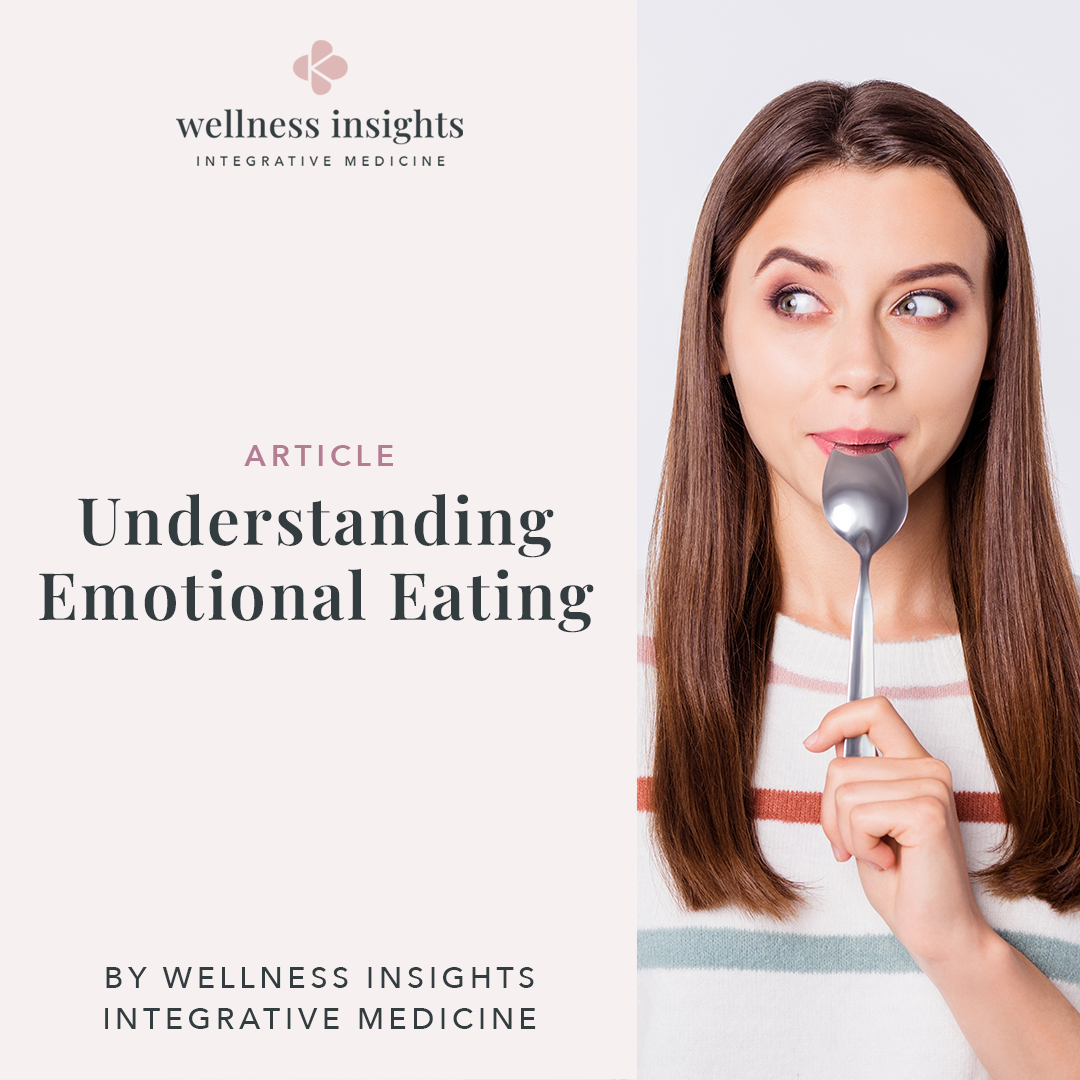
There is a moment many of us know well.
You walk into the kitchen after dinner, open the pantry, and begin looking for something to eat. You pause because you realize you aren't actually hungry. You ate recently, your stomach feels satisfied, and yet something is still drawing you toward food.
For many people, that moment is immediately followed by guilt. We tell ourselves we need more willpower, more discipline, or better self-control. But emotional eating is rarely that simple.
More often, it is information.
Rather than asking, "What's wrong with me?" it can be far more helpful to ask, "What is my body trying to tell me?"
Emotional Eating Is About More Than Food
Food has always been connected to more than physical hunger. We celebrate with it, gather around it, and find comfort in it during life's most difficult moments. There is nothing inherently wrong with finding joy or comfort in food.
Emotional eating becomes more challenging when food becomes our primary way of responding to stress, loneliness, fatigue, boredom, or overwhelm. If eating is the most accessible source of relief, our brains naturally learn to repeat that pattern because, at least temporarily, it works.
That isn't a lack of willpower. It's how the brain learns.
Sometimes It Isn't Emotional Eating at All
One of the biggest misconceptions surrounding emotional eating is that every craving is driven by emotion.
In reality, many people are simply undernourished. Skipping meals, eating too little, following restrictive diets, or experiencing frequent blood sugar swings can all leave the body trying to make up for an energy deficit later in the day. What feels like emotional eating is sometimes a completely normal biological response to not getting enough nourishment.
This is why it's important to step back and look at the bigger picture. Are you eating balanced meals throughout the day? Are you getting enough protein and fiber? Have you been sleeping well? Are you under chronic stress?
Our physiology plays just as important a role as our psychology.
Learning to Read the Signal
The next time you notice yourself reaching for food, try pausing before assuming you've done something wrong. Instead, ask yourself a few simple questions:
Am I physically hungry?
Have I eaten enough today?
What happened just before this craving?
What emotion am I experiencing right now?
Besides food, what might help me feel supported in this moment?
Sometimes the answer will still be food, and that's okay. Other times, what you truly need may be rest, connection, movement, fresh air, or simply a moment to slow down.
The goal isn't to ignore hunger. It's to better understand it.
Replace Judgment with Curiosity
One of the most powerful shifts we can make is replacing self-criticism with curiosity.
Shame rarely creates lasting change. In fact, feeling guilty after eating often increases stress, making it even more likely that we'll seek comfort through food again. The cycle continues, not because we lack discipline, but because our nervous system is still searching for relief.
Instead of asking, "Why did I do that?" consider asking, "What was I needing in that moment?"
That simple shift changes the conversation from blame to understanding.
A Whole-Person Perspective
At Wellness Insights Integrative Medicine, we recognize that emotional eating is rarely caused by one thing alone. Nutrition, sleep, stress, hormones, blood sugar regulation, habits, and emotional wellbeing all influence our relationship with food.
Rather than focusing on willpower alone, we believe in understanding the whole person. Looking beneath the surface allows us to address the underlying factors contributing to eating behaviors instead of simply managing the symptoms.
The Bottom Line
Emotional eating isn't a sign that you've failed. More often, it's a signal that something deserves your attention.
Sometimes your body is asking for nourishment. Sometimes it's asking for rest, connection, or support. Learning to recognize those signals with compassion instead of criticism can transform your relationship with food and help you build healthier, more sustainable habits over time.
At Wellness Insights, we believe that every symptom tells a story. Emotional eating is no different. The more we learn to listen, the better equipped we are to support lasting health and wellbeing.
This blog and website do not provide medical advice. It is intended for general informational purposes only and does not address individual circumstances. It is not a substitute for professional medical advice, diagnosis or treatment and should not be relied on to make decisions about your health. Always check with your own healthcare provider before taking a new supplement and before making any significant diet, lifestyle, exercise or other changes. Never ignore professional medical advice in seeking treatment because of something you have read on this site. If you think you may have a medical emergency, immediately call your doctor or dial 911.