
Empowering Young Female Athletes: Annie’s Take-Aways from Dr. Stacy Sims’ “NextGen” Course
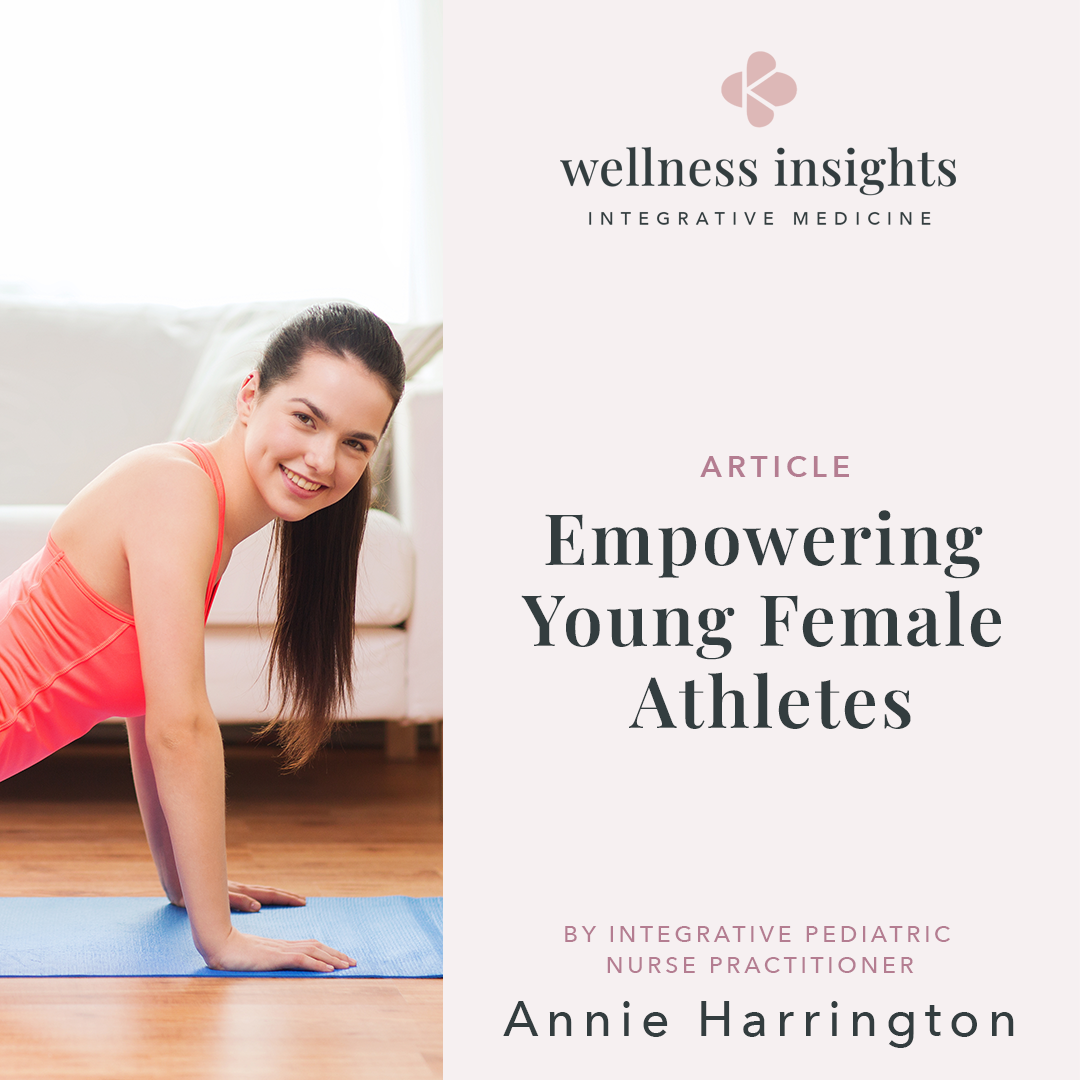
I recently completed a fantastic continuing education program by Dr. Stacy Sims, PhD who is an exercise physiologist, nutrition scientist and women’s health advocate. Her program “NextGen” focuses on the unique needs of adolescent girls who are active in sports and what we (health care providers, parents, coaches and mentors) need to know to guide them successfully during their adolescent years.
The teenage years, driven by puberty, are a period of immense physical, hormonal and psychosocial change but research has historically been limited in how to support girls through this time. Luckily, that’s changing and researchers such as Dr. Sims are providing the evidence we need to help girls not just survive, but truly thrive.
Here are some of the key takeaways I learned from the course about navigating this transformative time, focusing on holistic health, smart training, and optimal fueling:
Train Smarter, Not Just Harder
Puberty brings physical changes (wider hips & increased estrogen-driven joint laxity) that temporarily make moving awkward. Performance declines in speed and coordination are common, normal, and temporary. But rather than just pushing harder through this phase, girls need targeted support and ways to adapt that include:
Avoiding Injury: Girls are up to 8 times more likely than boys to experience ACL tears during puberty due to biomechanical shifts and quad dominance. Strength training focused on landing mechanics, agility, core stability, and the posterior chain is essential for injury prevention.
Re-learning Core Skills: Coaching should focus on improving coordination, balance and technique to help re-train the brain of how to move and use her changing body.
Diversification: Early sport specialization (before the age of 12 years) rarely improves long-term success but significantly increases burnout and injury risk. Multisport participation fosters better motor skill development and resilience in the earlier years.
Fueling is Foundational
One of the biggest challenges facing active teenage girls is maintaining adequate energy. Due to rapid growth spurts and high training demands, many girls fall into Low Energy Availability (LEA), even if they appear to be eating normally.
LEA results when caloric intake minus exercise energy expenditure leaves insufficient energy for basic body functions and it can lead to serious long-term health consequences. We must move beyond viewing food as just calories and see it as fuel for performance and growth.
Active girls require 30–40% more energy than their sedentary peers.
Fueling should be individualized, rich in complex carbohydrates, protein and healthy fats with a priority given to nutrient-dense, whole foods, rather than ultra-processed "health foods" or meat substitutes which can negatively affect gut health.
Optimal nutrient timing—especially fueling within 30–60 minutes post-exercise—is crucial for energy replenishment and adaptation (when the body actually learns and retains what you did during the training).
A critical warning sign of LEA is menstrual irregularity, after a girl has established periods. Missing periods is never "normal for an athlete" and is a sign of hormonal imbalance that should be addressed immediately.
A Supportive Environment is Essential to Success
The psychosocial aspects of puberty—including decreased self-efficacy, mood swings, and body image concerns—are profound. Parents and coaches must actively build a safe, inclusive environment that incorporates:
Positive Language: Focus on her strengths, abilities and body functionality (what it can do), rather than weight or physical appearance. Avoid gender-stereotyped phrases in training (e.g., "girl push-ups").
A Culture of Inclusivity and Mental Resilience: Recognize that psychosocial factors profoundly impact teenage girls. A supportive environment must foster mental resilience, and reduce angst surrounding body image. Implement regular wellness check-ins, asking about sleep, injuries and mood and open the door for normalizing discussions about health. Providing strong female role models can also help break gender stereotypes and inspire young athletes.
Rest & Recovery: Adaptation and performance improvement occur during the rest period, making rest and recovery an essential component that determines how well an athlete adapts to training stress. This recovery is crucial because inadequate sleep, often fragmented by hormonal shifts during puberty, directly leads to poor recovery, reduced focus, and fatigue, which is identified as a significant risk factor for injury. Prioritize consistent sleep schedules (8–10 hours for teens), sleep routines and hygiene and rest days.
Menstrual Health Education: Tracking the menstrual cycle is a powerful tool for monitoring overall health, readiness and stress adaptation. Empowering girls to understand their cycles gives them the knowledge to understand their body and its abilities.
By combining these proactive strategies—optimal fueling, smart training, and open communication—we can empower young women to embrace their changing bodies and find long-term success and joy in athletics. For personalized assessments, education and plans, schedule a visit with Annie to help nurture the young women in your lives.
This blog and website do not provide medical advice. It is intended for general informational purposes only and does not address individual circumstances. It is not a substitute for professional medical advice, diagnosis or treatment and should not be relied on to make decisions about your health. Always check with your own healthcare provider before taking a new supplement and before making any significant diet, lifestyle, exercise or other changes. Never ignore professional medical advice in seeking treatment because of something you have read on this site. If you think you may have a medical emergency, immediately call your doctor or dial 911.
