
Telomere Health, Strength Training, and Slowing Biological Aging
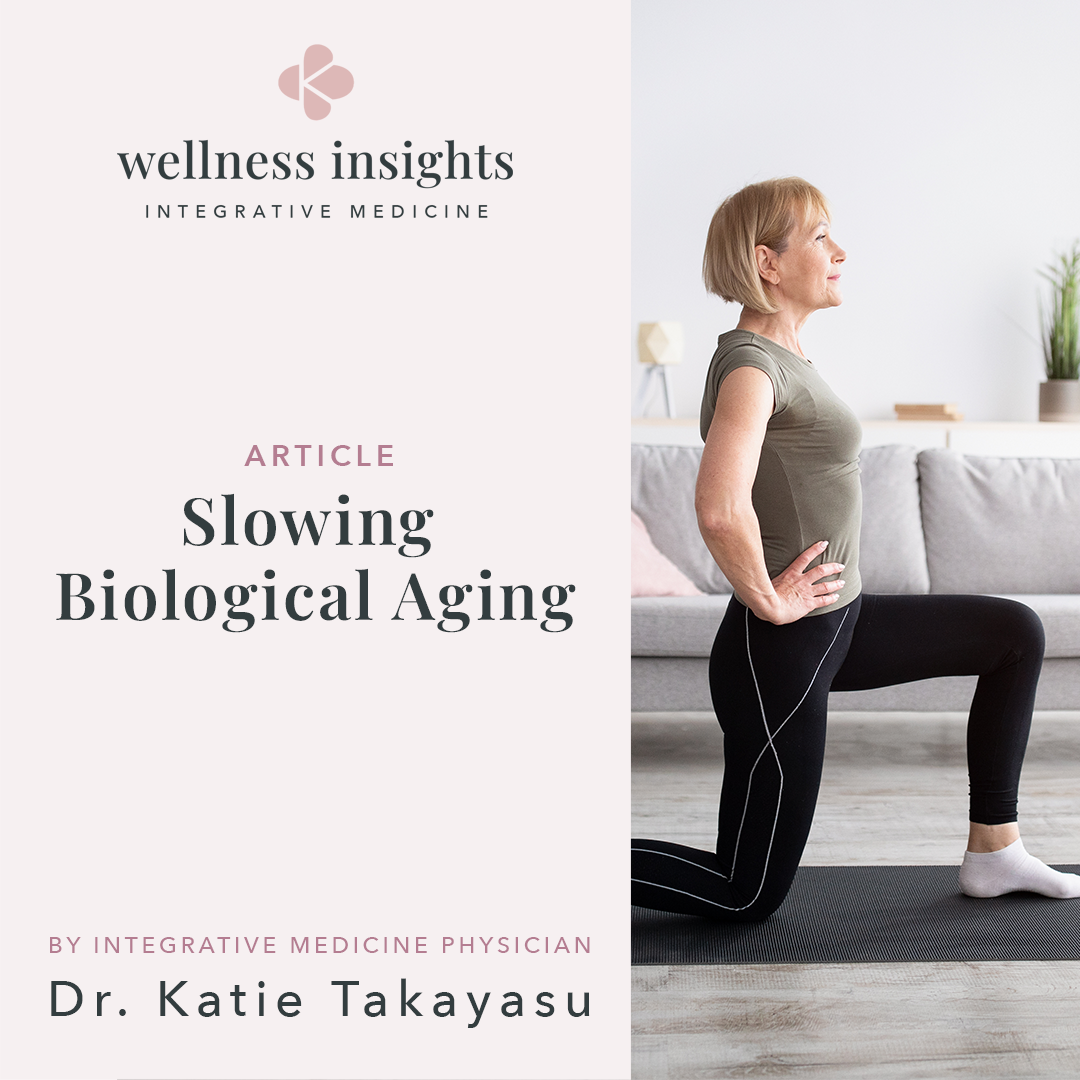
In integrative medicine, we often talk about the pillars of health that extend far beyond what’s on the surface: nutrition, sleep, stress resilience, connection, and movement. These pillars don’t just shape how we feel today - they influence how we age on a cellular level.
A fascinating new study out of Brigham Young University brings this concept into sharp focus. Researchers evaluated 4,814 U.S. adults and measured the length of their telomeres — the protective caps on our chromosomes that shorten as we age. Think of telomeres like the plastic tips at the ends of your shoelaces: when they wear down, the lace begins to fray. Similarly, when telomeres shorten, our cells are more prone to dysfunction, disease, and premature aging.
Here’s what the researchers found:
Adults who engaged in regular strength training had significantly longer telomeres than those who did not.
Just 90 minutes per week of strength training was associated with the equivalent of 3.9 years less biological aging.
More was better - participants who strength trained the most had the longest telomeres of all.
These results are remarkable because they show that the benefits of strength training go far beyond muscle tone or metabolic health. On a deep cellular level, strength training may help preserve youthfulness, vitality, and resilience.
From an integrative medicine perspective, this makes sense. Resistance training reduces inflammation, improves insulin sensitivity, supports a healthy metabolism, and increases lean muscle mass - all of which are associated with less oxidative stress and slower biological aging. In fact, muscle itself acts like an endocrine organ, releasing beneficial myokines that protect our DNA and mitochondria.
At Wellness Insights, I encourage patients to view strength training not as an activity reserved for bodybuilders, but as an investment in longevity. For people in midlife, it’s one of the best tools we have to preserve bone density, support hormonal balance, optimize cardiometabolic health, and enhance our independence as we age.
Where to Begin
Start small: Two to three sessions per week is enough to see measurable benefits.
Focus on form: Bodyweight movements, resistance bands, or medium weights are powerful starting points.
Pair with protein: Your muscles need building blocks - prioritize 30g of protein per meal.
Integrate, don’t isolate: Combine strength training with whole-food nutrition, restorative sleep, and stress management for maximum longevity impact.
The science is clear: by protecting your telomeres through lifestyle, you are protecting your future self. Strength training isn’t just about building muscle - it’s about building a longer, healthier life.
Citation: Bates, C. J. (2024). Strength Training and Telomere Length in U.S. Adults: Evidence from NHANES Data. Biology, 13(11), Article 883. https://doi.org/10.3390/biology13110883
This blog and website do not provide medical advice. It is intended for general informational purposes only and does not address individual circumstances. It is not a substitute for professional medical advice, diagnosis or treatment and should not be relied on to make decisions about your health. Always check with your own healthcare provider before taking a new supplement and before making any significant diet, lifestyle, exercise or other changes. Never ignore professional medical advice in seeking treatment because of something you have read on this site. If you think you may have a medical emergency, immediately call your doctor or dial 911.
